https://archive.org/details/enquiryconcernin02godw/page/784/mode/2up
7:9
私は正義の基礎の上に立つ。正義!この名称は、野獣的な暴力が拒んで認めないであらうが、然し此の世の凡ての力をもつてしても絶滅することの出来ないところの名称である。
427頁
7:9
私は正義の基礎の上に立つ。正義!この名称は、野獣的な暴力が拒んで認めないであらうが、然し此の世の凡ての力をもつてしても絶滅することの出来ないところの名称である。
427頁
I stand upon the foundation of right. This is a title, which brute force may refuse to acknowledge, but which all the force in the world cannot annihilate.
OF PARDONS.
785
confult her, the certainty of her decifions would be fuch as men BOOK VII.
CHAP. IX.
practifed in our prefent courts are totally unable to conceive.
Another very important confequence grows out of the fyftem Defiructive of
morality.
of pardons. A fyltem of pardons is a fyftem of unmitigated flavery. I am taught to expect a certain defirable event, from. what ? From the clemency, the uncontroled, unmerited kindnefs of a fellow mortal. Can any leffon be more degrading? The pu-fillanimous fervility of the man who devotes himfelf with ever-lafting obfequioufnefs to another, becaufe that other, having begun to be unjuft, relents in his career; the ardour with which he confefles the rectitude of his fentence and the enormity of his de-ferts, will conftitute a tale that future ages will find it difficult to underftand.
What are the fentiments in this refpect that are alone worthy of a rational being? Give me that and that only, which without injuftice you cannot refufe. More than juftice it would be dif-graceful for me to afk, and for you to beftow. I ftand upon the foundation of right. This is a title, which brute force may re-fufe to acknowledge, but which all the force in the world cannot annihilate. By refifting this plea you may prove yourfelf unjuft, but in yielding to it you grant me but my due. If, all things confidered, I be the fit fubject of a benefit, the benefit is merited : merit in any other fenfe is contradictory and abfurd. If you beftow upon me unmerited advantage, you are a recreant from 5 H
the

I stand upon the foundation of right. This is a title, which brute force may re-fufe to acknowledge, but which all the force in the world cannot annihilate.
1:2
アレキサンドルの征服は無敷の生命を犠牲とし、カイザルの不滅は百二十萬の人々の死に依ってはれたと計算される。
7頁
https://archive.org/details/enquiryconcernin01godw/page/6/mode/2up
The conquefts of Alexander coft innumerable lives, and the immortality of Cafar is computed to have been purchafed by the death of one million two hundred thoufand men.
p.6

4:4付録3
誠実の問題の概略
自分の知っている真理を決して述べまいと独り決心した人間が、勇敢で不屈な思想家になることは、事の性質上不可能である。
…これに次の事を附け加へよ。即ち、意識的な仮面は、氣質の上に最も悪い結果を及ぼし、且つ淡白で、社會的で、公明であるべき徳を、單獨な、意地の悪い、厭人的な原理に變ずると云ふ事を。
邦訳184-5頁
https://archive.org/details/enquiryconcernin01godw/page/276/mode/2up
It is in the nature of things impossible, that the man, who has determined with himfelf never to utter the truths he knows, fhould be an intrepid and indefatigable thinker.
p.276
物事の性質上、自分が知っている真実を決して口にしないと心に決めた人間が、
勇敢でたゆまぬ思想家であるということはあり得ない。
政治的正義 ゴッドウィン1930春秋社
OF PARDONS.
785
confult her, the certainty of her decifions would be fuch as men BOOK VII.
CHAP. IX.
practifed in our prefent courts are totally unable to conceive.
Another very important confequence grows out of the fyftem Defiructive of
morality.
of pardons. A fyltem of pardons is a fyftem of unmitigated flavery. I am taught to expect a certain defirable event, from. what ? From the clemency, the uncontroled, unmerited kindnefs of a fellow mortal. Can any leffon be more degrading? The pu-fillanimous fervility of the man who devotes himfelf with ever-lafting obfequioufnefs to another, becaufe that other, having begun to be unjuft, relents in his career; the ardour with which he confefles the rectitude of his fentence and the enormity of his de-ferts, will conftitute a tale that future ages will find it difficult to underftand.
What are the fentiments in this refpect that are alone worthy of a rational being? Give me that and that only, which without injuftice you cannot refufe. More than juftice it would be dif-graceful for me to afk, and for you to beftow. I ftand upon the foundation of right. This is a title, which brute force may re-fufe to acknowledge, but which all the force in the world cannot annihilate. By refifting this plea you may prove yourfelf unjuft, but in yielding to it you grant me but my due. If, all things confidered, I be the fit fubject of a benefit, the benefit is merited : merit in any other fenfe is contradictory and abfurd. If you beftow upon me unmerited advantage, you are a recreant from 5 H
the

アレキサンドルの征服は無敷の生命を犠牲とし、カイザルの不滅は百二十萬の人々の死に依ってはれたと計算される。
7頁
https://archive.org/details/enquiryconcernin01godw/page/6/mode/2up
The conquefts of Alexander coft innumerable lives, and the immortality of Cafar is computed to have been purchafed by the death of one million two hundred thoufand men.
p.6

4:4付録3
誠実の問題の概略
自分の知っている真理を決して述べまいと独り決心した人間が、勇敢で不屈な思想家になることは、事の性質上不可能である。
…これに次の事を附け加へよ。即ち、意識的な仮面は、氣質の上に最も悪い結果を及ぼし、且つ淡白で、社會的で、公明であるべき徳を、單獨な、意地の悪い、厭人的な原理に變ずると云ふ事を。
邦訳184-5頁
https://archive.org/details/enquiryconcernin01godw/page/276/mode/2up
It is in the nature of things impossible, that the man, who has determined with himfelf never to utter the truths he knows, fhould be an intrepid and indefatigable thinker.
p.276
物事の性質上、自分が知っている真実を決して口にしないと心に決めた人間が、
勇敢でたゆまぬ思想家であるということはあり得ない。
An enquiry concerning political justice, and its influence on general virtue and happiness
by Godwin, William, 1756-1836. cn
Publication date 1793https://archive.org/details/enquiryconcernin01godw/page/276/mode/2up


https://archive.org/details/enquiryconcernin01godw/page/276/mode/2up
4:4付録3
誠実の問題の概略
276
APPENDIX,
No. III.
SUBJECT OF
BOOK IV: mind loofe in fo adventurous a fubject. If I tell my thoughts,
I derive from the act of communication encouragement to proceed. I perceive in what manner they are received by others, and this perception acts by rebound upon my own progrefs. If they be received cordially, I derive new encouragement from the approbation of others.
If they be received with oppofition
and difruft, I am induced to revife them. I detect their errors, or I frengthen my arguments, and add new truths to thofe which I had previoully accumulated. What can excite me to the purfuit of difcovery, if I know that I am never to communicate my difcoveries?
It is in the nature of things impoffible, that the man, who has determined with himfelf never to utter the truths he knows, fhould be an intrepid and indefatigable thinker.
「自分が知っている真実を決して口にしないと心に決めた人間が、勇敢で疲れを知らない思想家であるというのは、不可能なことの本質に他ならない。」
The link which binds together the inward and the outward man is indiffoluble; and he, that is not bold in fpeech,
2. mifan-thropy :
will never be ardent and unprejudiced in enquiry. Add to this, that confcious difguife has the worft effect upon the temper, and converts virtue, which ought to be frank, focial and ingenuous, into a folitary, morofe and mifanthropical principle.
私は、コミュニケーションの励ましという行為から導き出されます
続行してください。私はそれらが他者にどのように受け取らされているかを感知し、その認識は自分自身のプログレフに反転して作用します。もしそれらが丁寧に受け入れられれば、他者の承認から新たな励ましを得ます。もしそれらが反対と不調で受け取らされた場合、私はそれらを見直すように促されます。私は彼らの誤りを察知し、あるいは議論を議論し、以前に蓄積していた真実に新たな真実を加えます。私が自分の困難を伝えることができないと知っているのに、何が私を困難の純粋さへと興奮させるのでしょうか?不可能な事柄の本質において、知っている真実を決して口にしないと決意した人は、勇敢で不飽くなき思考者であるべきです。内なる者と外なる者を結びつける絆は不可分であり、そして、fpeech において大胆でない者は、
探求において、決して熱心なことはなく、偏見のないことはありません。さらに、その意識的なディフガイフは気性に悪影響を及ぼし、率直で焦点的かつ独創的であるべき美徳を、葉形的で無慈悲的かつ非人間的な原則へと変換します。
3. difinge-nuity :
But let us conceive that the method I employ to protect my-felf from perfecution is different from that above ftated. Let us fuppofe that I communicate my fentiments, but with caution and referve. This fyftem involves with it an endlefs train of falthood, duplicity and tergiverfation. When I communicate my fentiments, it is under the inviolable feal of fecrecy. If my zeal
不誠堂が非難されなければならないのは、それが品性の完全性を損する直接の傾向を持つてみるからである。
仮に『私は自分の懐いてみる意見をなる宗教所長から臨しなければならない』とせよ。さらしたら如何なる方法を私は此の目的のために使用するであらうか?私はそれ等を全世界から不可知の感密としてすであらうか?若しこれが私の採用する来であるなら、結果は私の心の改善に取つての部刻印座の目的にある。改善や授
見がなされるのは、大噌な質の努力に従つてである。淡見の種子は思考するあらゆる心のうちに撒き散らされてみるが、それが落ちる無愛想な土に依つてあまりに度々るさせられる。あらゆる人間は王及び主の馬鹿しさや、最も女明化した図々に存在するあの明かな迫的な不平等の不正義を怪しんでみる。然し彼は、かくも危険た問題には敏て自分の心を解き放さとはしない。若し私が自分の思想を語るなら、私は此の傷達行から、部のための脇ましを得る。私はそれ等の思想が如何なる態度で受け容れられるかを了解する。そして此の了解は反に使って私自身の進歩に働きかける。若しそれ等の思想が誠意をもつて受け答れられたら、私は他の人々の賞談から新しい胸ましを得る。若しそれ等の思想が反と不とをもつて受け容れられたら、私はそれ等を修正するやら
に跨はれる。私はそれ等が持つ誤器を設見する。若しくは私の論をづける。そして私が以前落した貸理に新しい理を附け加へる。若し私が、決して自分の見を停達すべきでないことを知つてろなら、如何なるものが
私を振ひたせて見の追求をさせ得るか?
自分の知っている真理を決して述べまいと独り決心した人間が、勇敢で不屈な思想家になることは、事の性質上不可能である。
邦訳184頁
It is in the nature of things impossible, that the man, who has determined with himfelf never to utter the truths he knows, fhould be an intrepid and indefatigable thinker.
p.276
内なる人と外なる人とを一器に結び附ける連物は
184
原くことの出来ないものである。そして言上で大階でない※は、研究上で決して烈に目つ平になりはしない
であらう。これに次の事を附け加へよ。即ち、意識的な仮面は、氣質の上に最も悪い結果を及ぼし、且つ淡白で、
社會的で、公明であるべき徳を、な、意地の悪い、人的な原理に変ずると云う事を。
然し我々は、私が自らを告から保護するために使用する方法は上に述べたそれとは違つてみることを考へよう。我々は、私が落と制限とをもつて自分の感情を停送するものと仮定しよう。さうしたら此の濃系は虚や二枚舌や認魔化しの無限の油を含む。私が自分の感情を停達する時、それは破ることの出来ない密の封印の下にある。若し私の感心さがどれだけでも滋距離に私を運んで行き、私の質理愛が烈であるなら、私は思題分別の限
卵が許す限りそれを停達しようと欲するであらう。そして年月が経過するうちに私が自分の機定の上で一つの課をさへ行はないなら不思議であらう。私の大きな密は表はされて、ひが宗教裁判長の胸に喚び起される。私は今は何をしょうか?
私は思ふ、私は事賀を断平と否定しなければならないと。私は自分の諸特後を書き級つて、
William Godwin(1756-1836)"Enquiry concerning Political Justice"(1793)
Mary Shelley, The Last Man と William Godwin, Caleb ...
はじめに. Barbara Johnson (2014)は、Mary Shelley は William Godwin から語りの手法の多くを学んだと指摘している。 さらに彼女は、The Last Man の語りは Caleb ...
はじめに. Barbara Johnson (2014)は、Mary Shelley は William Godwin から語りの手法の多くを学んだと指摘している。 さらに彼女は、The Last Man の語りは Caleb ...
ウィリアム・ゴドウィン
ウィリアム・ゴドウィン(英: William Godwin, 1756年3月3日 - 1836年4月7日)は、イギリスの政治評論家・著作家。功利主義の最初の提唱者のひとりであり、近代無政府主義の先駆者。最初の妻は女権論者のメアリ・ウルストンクラフト。2人の間に生まれた娘は、小説『フランケンシュタイン』の作者であり、詩人シェリーの妻であるメアリ・ウルストンクラフト・ゴドウィン(メアリ・シェリー)。二番目の妻は最初期の女性出版人で翻訳者のメアリ・ジェーン・クレアモントで、メアリ・ジェーンの連れ子であるクレア・クレアモントは後に詩人バイロン卿の娘を産んだ。ゴドウィンはイギリス文学とその文化に多大な影響を与えてきた。
年譜
- 1756年3月3日、グレートブリテン王国イングランドのケンブリッジシャー州ウィズビーチでカルヴァン派(サンデマン主義)の牧師の子として誕生。
一時牧師をするが、フランス啓蒙思想に接して信仰に揺さぶりをかけられた。
- 1782年にロンドンに出て牧師を辞め文筆生活に入る。百科全書派をイギリスへ紹介し、優れたジャーナリストとなる。
- 1783年彼の最初の著作は、匿名でに出版された『チャタム卿の生涯』(Life of Lord Chatham)である。
1785年までに書かれた3つの小説は今では忘れられている。
- 1793年フランス革命直後、ゴドウィンの最も成功した著作『政治的正義』(Enquiry concerning Political Justice, and its Influence on General Virtue and Happiness 直訳すると『政治的正義に関する論考と、一般的美徳や幸福へのその影響』)が四つ折り版2冊で、3ギニーという値段で売り出された。英国制にとって危険な思想であるため出版に対する検閲はあったものの、高価な専門書であることから市販されるに至った。しかし、当局の想定とは異なり、労働者たちは資本を出し合って購入し、これを読み漁ったという。たちまち著者は当時の最も有力な社会哲学者として知られるようになり、その本はミルトンの『言論・出版の自由 アレオパジティカ』やロックの『教育論』、ルソーの『エミール』に並ぶ地位を与えられた。サウジーやコールリッジ、ワーズワースのような青年詩人は当時大学生であったが、この本をむさぼり読み、政治教育の糧とした。『政治的正義』は4版を重ね、フランス革命の余波がイギリスで拡大し、首相ピットが騒擾の鎮圧に乗り出すようになり、ゴドウィンは政府や財産への攻撃を第2版後はゆるめた。
- 1794年、社会派サスペンス小説の古典となった『ケイレブ・ウィリアムズ』(Things As They Are; or The Adventures of Caleb Williams 直訳すると『あるがままの物事、或いはケイレブ・ウィリアムズの冒険』)出版。
- 1797年、ゴドウィンは、メアリ・ウルストンクラフトと結婚し教会で結婚式を挙げた。夫妻は結婚制度の廃止を唱道する者であったが、生まれてくる子どものために論を翻したと主張されている。同年8月30日 ロンドンで、娘メアリ・ウルストンクラフト・ゴドウィン(後の作家メアリ・シェリー)が生まれた。同年9月10日、38歳でメアリ・ウルストンクラフトが産褥熱のため死亡。同年、ジャン=ジャック・ルソーの『エミール』への批判を意識しつつ、彼のアナキズム教育思想を展開した論文集『探求者―教育、礼儀、文学の省察』(The Enquirer; Reflections on Education, Manners, and Literature)出版。
- 1801年12月21日、隣人であったメアリ・ジェーン・クレアモントと再婚した。メアリ・ジェーンは後に『スイスのロビンソン一家』を英訳して出版したことで知られている。
- 1805年、ゴドウィン夫妻は子ども向けの本を専門に扱う本屋と出版社MJ Godwin & Co.(この屋号は1807年以降のもの)を開いた。この事業はウィリアムではなくメアリ・ジェーンが経営していた[1]が、1822年に倒産した。
- 1832年9月8日、メアリ・ジェーンとの間の一人息子で新聞記者・作家であった小ウィリアム・ゴドウィンをコレラで亡くす[2]。1834年に、自らの最後の著書である『ネクロマンサーの伝記』を出版し、翌年1835年には亡子である小ウィリアムのミステリー小説『輸血』(Transfusion)にメモリアルの前書きをつけて出版した。
- 1836年4月7日、窮迫のうちに死亡。彼が育てた5人の子どものうち2人は既に亡くなっており、さらに2人が海外在住だったため、メアリー・シェリーが晩年のウィリアムの世話をした。
他の著作に回想『メアリ・ウルストンクラーフトの思い出』(en:Memoirs_of_the_Author_of_A_Vindication_of_the_Rights_of_Woman)があるが、本書はあまりの率直な描写により激しい批判を受け、嘲笑された。
思想
カルヴァン派の牧師であった経歴はゴドウィンを理解する場合重要である。神の王国が倫理的共産主義である。外的世界の印象が、人間の心を善くも悪くもする。しかし権力と暴力に基づいた政府は、正義や幸福に反するすべての制度を温存させ、自由を阻害する。このような政府は、罪悪であり反自然である。
このような前提により、ゴドウィンは政府のない社会・富の平等な分配を要求する。しかし、その手段としては理性と説得により社会の成員の合理的な同意を得ることしか提示せず、「貧困」の問題については何らの重要性もおいていない。食糧や財よりも、個人の知性・道徳を進歩させるための「余暇」を真の富だと、ゴドウィンは考えていた。この抽象的な経済観念に対し、直接にはゴドウィンが1797年に出版した『研究者(The Enquirer)』中の「貪欲と浪費」[3]という論文に対し、経済学者マルサスが『人口論』を書いて、富の平等な分配が不可能であると論じたことは有名である。
日本語訳・参考文献
- 松本悟朗 訳 『社会思想全集 第32巻 政治的正義に関する研究』 平凡社, 1929年
- 加藤一夫 訳 『政治的正義』 春秋社 1930年
- 白井厚 訳 『政治的正義(財産論)』 陽樹社 1973年
- 白井厚 訳 『メアリ・ウルストンクラーフトの思い出―女性解放思想の先駆者』 未来社 1970年
- 片岡徳雄・住岡英毅・山根祥雄 訳 『探究者―アナキズム教育論の源流』 黎明書房 1977年
- 岡照雄 訳 『ケイレブ・ウィリアムズ』 国書刊行会 1982年
- 玉井茂 著 「ウイリアム、ゴドウインの思想」 『人口思想史論』所収 清水書店,1926年
- 園田実 著「ウイリアム・ゴドウインの出現」 『社会主義経済学概論 3版 真光社, 1947年
- 吉田忠雄 著 「ウィリアム・ゴドウィン」 『社会主義と人口問題』所収 社会思想研究会出版部, 1959年
- 白井厚 著 『ウィリアム・ゴドウィン研究』 未来社 1964年,1972年
- 村上至孝 著 「ウィリアム・ゴドウィン『政治的正義論』」 『長編詩人ワーヅワス』所収 創文社, 1966年
- 白井厚 著 「ウィリアム・ゴドウィンとロバアト・オウエン」『ロバアト・オウエン論集』所収 家の光協会, 1971年
- ピーター・シンガー 著 「ウィリアム・ゴドウィンと公平主義倫理の擁護」 『人命の脱神聖化』 晃洋書房, 2007年
- 小川公代 著「ウィリアム・ゴドウィンのゴシック小説再考」『脱領域・脱構築・脱半球 = EXTRATERRITORIAL,DECONSTRUCTIVE,TRANS-HEMISPHERIC : 二一世紀人文学のために』 小鳥遊書房, 2021年
脚注
- Perkins, Pam (2004). “Godwin [formerly Clairmont; née de Vial], Mary Jane (1768–1841), translator and bookseller”. Oxford Dictionary of National Biography (英語) (online ed.). Oxford University Press. doi:10.1093/ref:odnb/67901. ISBN 978-0-19-861412-8. 2020年12月6日閲覧. (要購読、またはイギリス公立図書館への会員加入。)
- https://en.wikisource.org/wiki/Dictionary_of_National_Biography,_1885-1900/Godwin,_William_(1803-1832)
- 人口思想史論. 清水書店. (1926). p. 145. "... 一八九七年ゴドウインが著した「研究者」(The Enquirer)中にあらはれたる「貪欲と浪費」に関する論文に関し、其の父と戦はしたる論争に其の源を発したのである。 ..."
外部リンク
- 住岡英毅「アナキズムの教育思想研究 : 自由の概念を中心に : 3 教育的人間関係の再考 : W. ゴドウィンを中心として(一般研究 I・1部会 教育の思想と科学)」『日本教育社会学会大会発表要旨集録』第31号、日本教育社会学会、1979年9月21日、6-7頁、NAID 110001889743。
https://seejennywrite.com/2018/01/05/sleeping-with-your-father/


Mix Big-Name Philosopher William Godwin with Somewhat-Infamous Author of Vindication of the Rights of Woman Mary Wollstonecraft and you get Badass Author Mary Shelley.
著名な哲学者ウィリアム・ゴッドウィンと、『女性の権利の擁護』の著者としてやや物議を醸したメアリー・ウルストンクラフトを混ぜ合わせると、そこで生まれるのが、超クールな作家メアリー・シェリーだ。

ウィリアム・ゴッドウィン、1756〜1836年。
イギリスのアナーキストであり、ユートピア的な政治・社会哲学者。ウィリアム・ゴッドウィンは、初期フェミニスト作家メアリー・ウォルストンクラフトの夫であり、メアリー・シェリー(『フランケンシュタイン』の作者でロマン派詩人パーシー・ビッシュ・シェリーの妻)の父です。
ウィリアム・グッドウィンの最も有名な作品は、1793年の政治正義に関する調査です。グッドウィンは啓蒙の伝統、特にジャン=ジャック・ルソーの作品から生まれ、人間の本性に対して深く楽観的でありながら、人間の制度に対しては極めて批判的であった。
人間性に対する深い楽観主義者であるグッドウィンは、資本主義の搾取的性質を認識し、基本的な必要以上の収入を得た者が余剰を困っている人々に配分するというユートピア的な社会再編を提案した。ゴッドウィンは、1793年の有名な無政府状態への嘆願において、幸福の追求が個人的および社会的倫理の唯一の目的であると主張しました。功利主義的な倫理的飛躍において、ゴッドウィンは実際に「正義」は集合的快楽の最大化を必要とすると主張した。
ゴッドウィンの命題の根源は、ルソーの1754年の不平等に関する談話にある可能性があります。ルソーは、私有財産の創造を、人間が静かで謙虚かつ平和的な自然状態から、自己中心的でスノッブ的、暴力的な存在へと移行する瞬間として位置付けていた。ゴッドウィンはそれに続き、財産が不正や悪、抑圧、従属、詐欺などを引き起こす民法の根源であると指摘しました。ルソーはこれを文明と結びつけ、実用的な解決策を提示しませんでした。しかし、グッドウィンはそれを覆すことができ、人間の道徳的ユートピアを構築し、人間を自然な状態に戻す実践的な方法があると信じていた。彼は私有財産そのものを廃止するのではなく、むしろ財産の不平等を取り除くでしょう。すべての人が十分な財産を得れば、自己中心的な行動は人間の動機として消え去り、それとともにすべての対立や悪徳などが終わります。ゴッドウィンのユートピアにおいて、人間社会は一般的な共有された慈善である。職業による社会的区別もなく、誰もが軽作業労働を喜んで分担するでしょう(ゴッドウィンの推定では、1日約30分程度です!)
彼の楽観的な予言は、社会の再編成による人類の究極の「完全性」について、マルサスが人口に関する彼の不調なエッセイで答えるきっかけとなった。ゴッドウィンの貧困層への物質的利益のための策は、単に人口の爆発を招き、自己を無効化し、さまざまな道徳的・社会的悪をもたらすだけです。ゴッドウィンのマルサスへの返答(1801年、1821年)は、マルサス独自のモデルを用いて自身の論文を救いました。マルサスは、この問題が中産階級には存在しないことを認識しており、彼らは子孫の習慣においてより慎重であった。ゴッドウィンは、財産の再分配にさらに理由があると主張しています――貧しい人々を貧しくなくし、彼らは中産階級の習慣を身につけさせ、財産の再分配はマルサス問題を「解決」するでしょう。
ウィリアム・ゴッドウィンの主要著作
|
| HET
|
ウィリアム・ゴッドウィンに関するリソース
|
William Godwin, 1756-1836.
| Profile | Major Works | Resources |
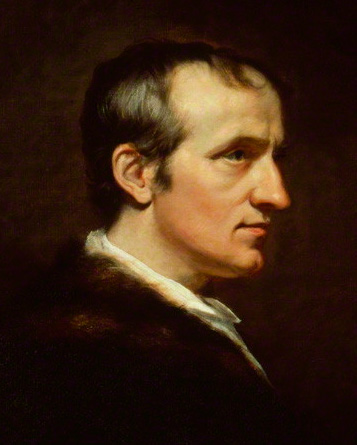
English anarchist and utopian political and social philosopher. William Godwin was the husband of early feminist author Mary Wollestonecraft and father of Mary Shelley (writer of "Frankenstein" and wife of romantic poet Percy Byssche Shelley).
William Goodwin's most famous work is his Inquiry concerning political justice (1793). Goodwin came out of the Enlightenment tradition - particularly the work of Jean-Jacques Rousseau - which was profoundly optimistic about human nature but highly critical of human institutions.
A profound optimist concerning human nature, Goodwin nonetheless recognized the exploitative nature of capitalism and proposed a utopian restructuring of society whereby those who earn more than their basic needs would distribute the surplus to the needy. In his famous 1793 plea for anarchy, Godwin posited that the pursuit of happiness is the only object of personal and social ethics. In an utilitarian ethical leap, Godwin actually went on to argue that "Justice" requires the maximization of aggregate pleasure.
The roots of Godwin's thesis may be found in Rousseau's 1754 discourse on inequality. Rousseau had identified the creation of private property as the moment when man transitioned from his calm, humble and pacific natural state into a selfish, snobbish and violent creature. Godwin followed up on that, and identified property as the root of civil laws which cause injustice and evils, oppression, servility, fraud, etc. Rousseau had identified this with civilization, and did not offer a practical solution. But Goodwin believed he could reverse that, that there was a practical way of constructing a human moral utopia and return man to his natural state. He would not abolish private property per se, but rather remove inequality in property. Once everyone had enough property, selfishness would disappear as a human motive, and with it an end to all conflict, vice, etc. In Godwin's utopia, human society would be a general shared benevolence. There would be no social distinction by occupation either - everyone would happily share in light agricultural labor (in Godwin's estimate, about half-hour a day!)
His optimistic prognostics on the ultimate "perfectibility" of mankind by a re-ordering of society led Malthus to respond with his dismal essay on population. Godwin's schemes for material benefit of poor would merely lead to a population explosion, nullify themselves and bring in a variety of moral and social evils. Godwin's replies to Malthus (1801, 1821) salvaged his own thesis using Malthus's own model. Malthus had recognized this problem did not exist among the middle classes, who were more prudent in their procreation habits. All the more reason, Godwin asserts, for property redistribution - make the poor non-poor, and they will acquire the habits of middle classes, redistributing property will "solve" the Malthusian problem.
 Top
TopMajor Works of William Godwin
|
| HET |
TopResources on William Godwin
|
All rights reserved, Gonçalo L. Fonseca

0 件のコメント:
コメントを投稿